Physical fitness is a cornerstone of effective performance and longevity in Emergency Medical Services (EMS).
Whether you are a seasoned professional with years of experience or a newcomer eager to embark on this
rewarding career, maintaining optimal physical fitness is crucial for your health, safety, and ability to perform
your duties effectively. This article will explore the multifaceted importance of physical fitness for EMS
professionals, covering the physical, mental, and operational benefits, and providing practical tips for integrating
fitness into your routine.
The Demands of the Job
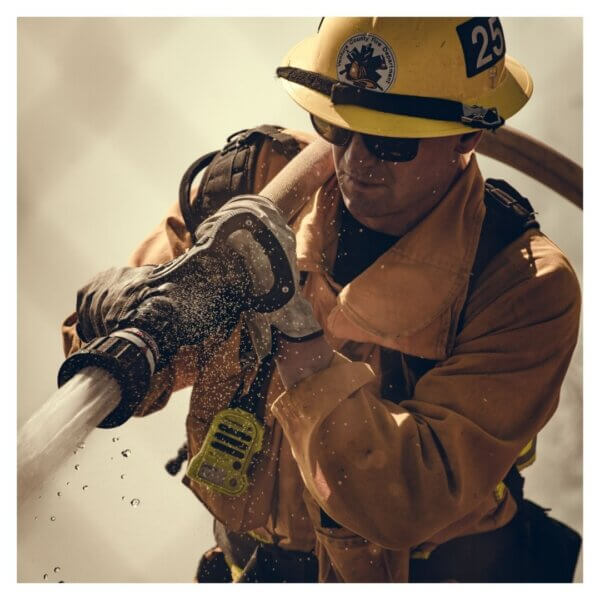
EMS professionals are often required to lift heavy loads, perform physically strenuous tasks, and endure long,
irregular hours. The nature of the job demands a high level of physical fitness to ensure the safety of both the
provider and the patient. A physically fit EMS provider can:
1. Improve Patient Care: Efficient and safe patient handling techniques, such as lifting and moving
patients, are easier to perform when physically fit. This minimizes the risk of injury to both the patient
and the provider.
2. Reduce Injury Risk: EMS work is physically demanding, and injuries like sprains, strains, and back
injuries are common. A well-conditioned body is less susceptible to such injuries.
3. Enhance Stamina and Endurance: EMS shifts can be long and taxing, often requiring quick responses
without adequate rest. Physical fitness improves cardiovascular health and muscular endurance,
allowing EMS providers to perform their best throughout their shifts.
Physical Fitness Components
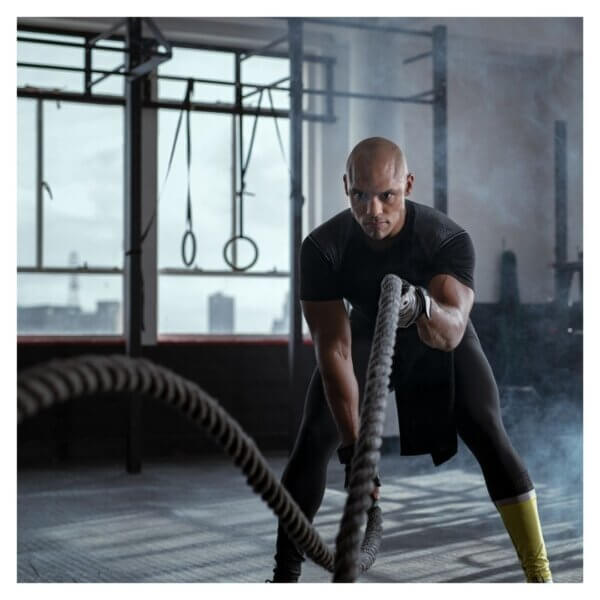
The fitness regimen for EMS professionals should encompass various components to address the
comprehensive demands of the job. These components include:
1. Cardiovascular Fitness: Running, cycling, and swimming improve heart and lung function, enhancing
overall stamina. Cardiovascular fitness is essential for coping with the physical demands of emergency
calls and reducing fatigue.
2. Strength Training: EMS providers often need to lift and carry heavy equipment and patients. Strength
training exercises, including weightlifting and resistance training, build muscle strength and endurance,
reducing the risk of musculoskeletal injuries.
3. Flexibility and Mobility: Stretching exercises and activities like yoga improves flexibility and joint
mobility, which are critical for performing tasks that require a wide range of motion. Enhanced
flexibility can prevent injuries related to sudden, awkward movements.
4. Core Stability: A strong core is vital for maintaining balance and proper body mechanics during lifting
and moving patients. Core exercises, such as planks and abdominal workouts, support overall physical
stability and reduce the risk of back injuries.

Mental Health Benefits
Physical fitness is not only beneficial for the body but also for the mind. The mental health benefits of regular
exercise are well-documented and particularly relevant for EMS professionals, who often face high-stress
situations and potential burnout.
1. Stress Reduction: Exercise is a natural stress reliever. Physical activity stimulates the production of
endorphins, chemicals in the brain that act as natural painkillers and mood elevators.
2. Improved Sleep: Regular physical activity can help regulate sleep patterns, ensuring that EMS providers
get the rest they need despite irregular and demanding schedules.
3. Mental Resilience: Physical fitness can improve mental toughness and resilience, equipping EMS
professionals to handle the psychological demands of the job more effectively.
Operational Efficiency
The physical and mental benefits of fitness translate directly into improved operational efficiency. Fit EMS
professionals are better equipped to handle emergency medical services’ unpredictable and high-pressure nature.
They can:
1. Respond Faster: Improved cardiovascular fitness ensures that EMS providers can reach patients more
quickly and perform tasks efficiently, ultimately enhancing patient outcomes.
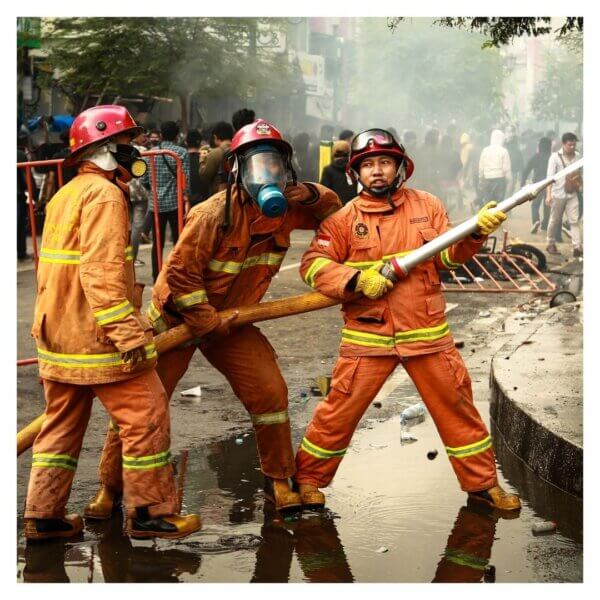
2. Work Cohesively: A fit team can perform more effectively, reducing the time needed to carry out tasks
and improving overall team coordination
3. Maintain Professionalism: Physical fitness contributes to a professional appearance and demeanor,
inspiring confidence in patients and colleagues.
Incorporating Fitness into EMS Training and Lifestyle
Given the undeniable importance of physical fitness, EMS agencies should prioritize fitness within their
training programs and culture. Here are some practical ways to integrate fitness into the daily routines of EMS
professionals:
1. Fitness Assessments: Regular fitness assessments can help identify areas that need improvement and
track progress over time. These assessments should cover cardiovascular fitness, strength, flexibility,
and core stability.
2. Structured Fitness Programs: Agencies can offer structured fitness programs tailored to the specific
needs of EMS professionals. These programs can include group workouts, personalized training plans,
and access to fitness facilities.
3. On-Duty Exercise Opportunities: EMS providers often work long shifts with periods of downtime.
Encouraging on-duty exercise, such as quick workouts or stretching routines during breaks, can help
maintain fitness.
4. Education and Resources: Education on the importance of fitness and resources such as workout guides,
nutrition advice, and wellness workshops can empower EMS professionals to take charge of their health.
5. Peer Support: Encouraging a fitness culture within the agency can foster peer support and motivation.
Group challenges, fitness goals, and team workouts can build camaraderie and promote a healthy
lifestyle.
Case Studies and Success Stories
To illustrate the impact of physical fitness on EMS performance, consider the following case studies:
1. Case Study 1: Improved Response Times
Implementing a structured fitness program significantly reduced response times in a busy metropolitan EMS
agency. Fit providers were able to reach patients faster, perform tasks more efficiently, and reduce overall
patient transport times.
2. Case Study 2: Reduced Injury Rates
A suburban EMS department experienced a high rate of back injuries among its staff. After introducing a
comprehensive fitness and wellness program focused on core strength and flexibility, the department saw a 40%
reduction in injury rates within the first year.
3. Case Study 3: Enhanced Mental Resilience
An EMS agency serving a rural area faced provider burnout and turnover challenges. The agency reported
improved job satisfaction and reduced turnover rates by incorporating regular physical fitness activities and
mental health resources into their routine.
For EMS professionals, physical fitness is not just an option but a necessity. The demanding nature of the job
requires a high level of physical and mental preparedness, which can only be achieved through regular and
comprehensive fitness routines. Whether you are a seasoned professional or a newcomer, prioritizing physical
fitness will enhance your performance, protect your health, and ensure you can continue serving your
community effectively. By fostering a fitness culture within EMS agencies, we can build a stronger, healthier,
and more resilient workforce ready to face the challenges of emergency medical services.
Sources
1. American College of Sports Medicine. “ACSM’s Guidelines for Exercise Testing and Prescription.” 10th
ed., Wolters Kluwer, 2017.
2. National Association of Emergency Medical Technicians. “Physical Fitness in EMS: Why It Matters.”
NAEMT, 2020.
3. Mayo Clinic Staff. “Exercise: 7 Benefits of Regular Physical Activity.” Mayo Clinic, 2023,
https://www.mayoclinic.org/healthy-lifestyle/fitness/in-depth/exercise/art-20048389.
4. US Department of Health and Human Services. “Physical Activity Guidelines for Americans.” 2nd ed.,
2018, https://health.gov/sites/default/files/2019-09/Physical_Activity_Guidelines_2nd_edition.pdf.
By integrating these insights and strategies, EMS professionals can ensure they are physically prepared to meet
the demands of their vital roles, ultimately benefiting their health and the communities they serve.
Report this article
