The modern fire service extends far beyond traditional suppression duties, offering specialized tracks that match diverse interests and technical skill sets. As departments expand their emergency management capabilities, professionals can pursue specialized disciplines that enhance community safety while opening new promotional opportunities. Exploring these distinct avenues empowers ambitious individuals to map out rewarding, long-term careers.
Specializing in Fire Prevention and Code Enforcement
Fire prevention bureaus focus on community risk reduction through rigorous safety inspections, building code compliance, and public safety education programs. Specialists in this field analyze facility blueprints, inspect fire protection systems, and identify hazardous conditions before emergencies occur. Transitioning into prevention roles allows personnel to protect life and property while working closely with municipal leaders.

Master Technical Rescue and Hazardous Materials Operations
Technical rescue and hazardous materials (HazMat) units demand advanced operational skills, specialized certification training, and rapid critical thinking under pressure. Responders handle complex technical scenarios, including structural collapse, confined space rescues, high-angle rope operations, and chemical containment emergencies. Excelling in these high-stakes tactical assignments prepares personnel for specialized promotional pathways and advanced leadership roles.

Leading Wildland and Natural Disaster Response Efforts
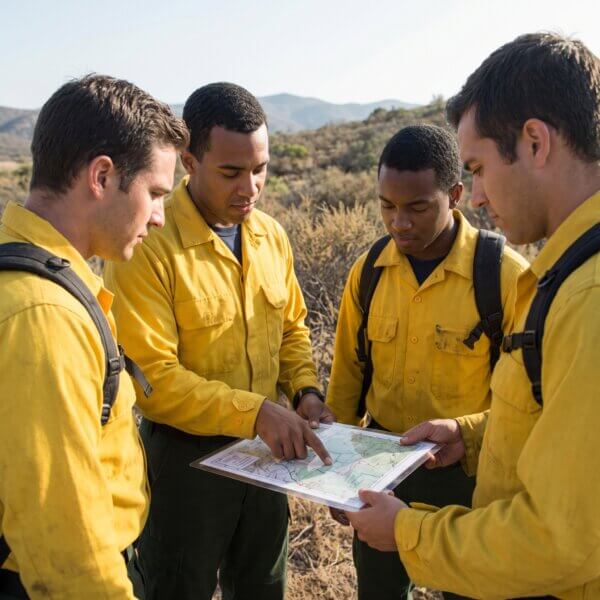
Wildland firefighting and disaster management focus on combating large-scale vegetation fires and coordinating major disaster response efforts. Specialists utilize wildland suppression tactics, aerial resources, and incident command frameworks to manage complex incidents across vast geographical areas. Developing expertise in wildland operations opens doors to regional command assignments and specialized incident management team leadership opportunities.
Conducting Arson Investigation and Forensic Analysis
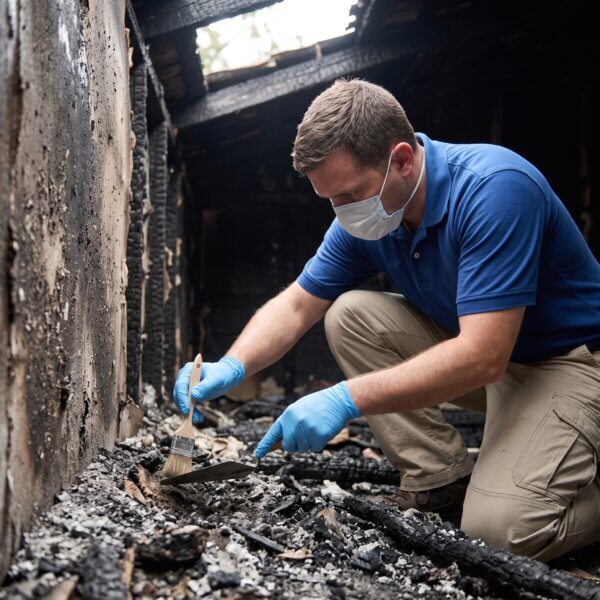
Fire investigators blend firefighting expertise with forensic science to determine the origin and cause of complex structure and wildland fires. Working alongside law enforcement agencies, these investigators analyze burn patterns, collect physical evidence, and deliver expert testimony during legal proceedings. Mastering forensic investigation principles expands your technical authority and opens specialized career trajectories within municipal and federal organizations.
At Fire Assessment Center Prep, we support dedicated fire service professionals at every stage of their professional development. Whether you are learning how to become a firefighter, navigating initial firefighter requirements, or preparing for specialized leadership promotions, our comprehensive assessment center prep courses and private coaching programs deliver proven results. Explore our online courses or contact our expert team today to refine your promotional strategy and advance your fire service career.
